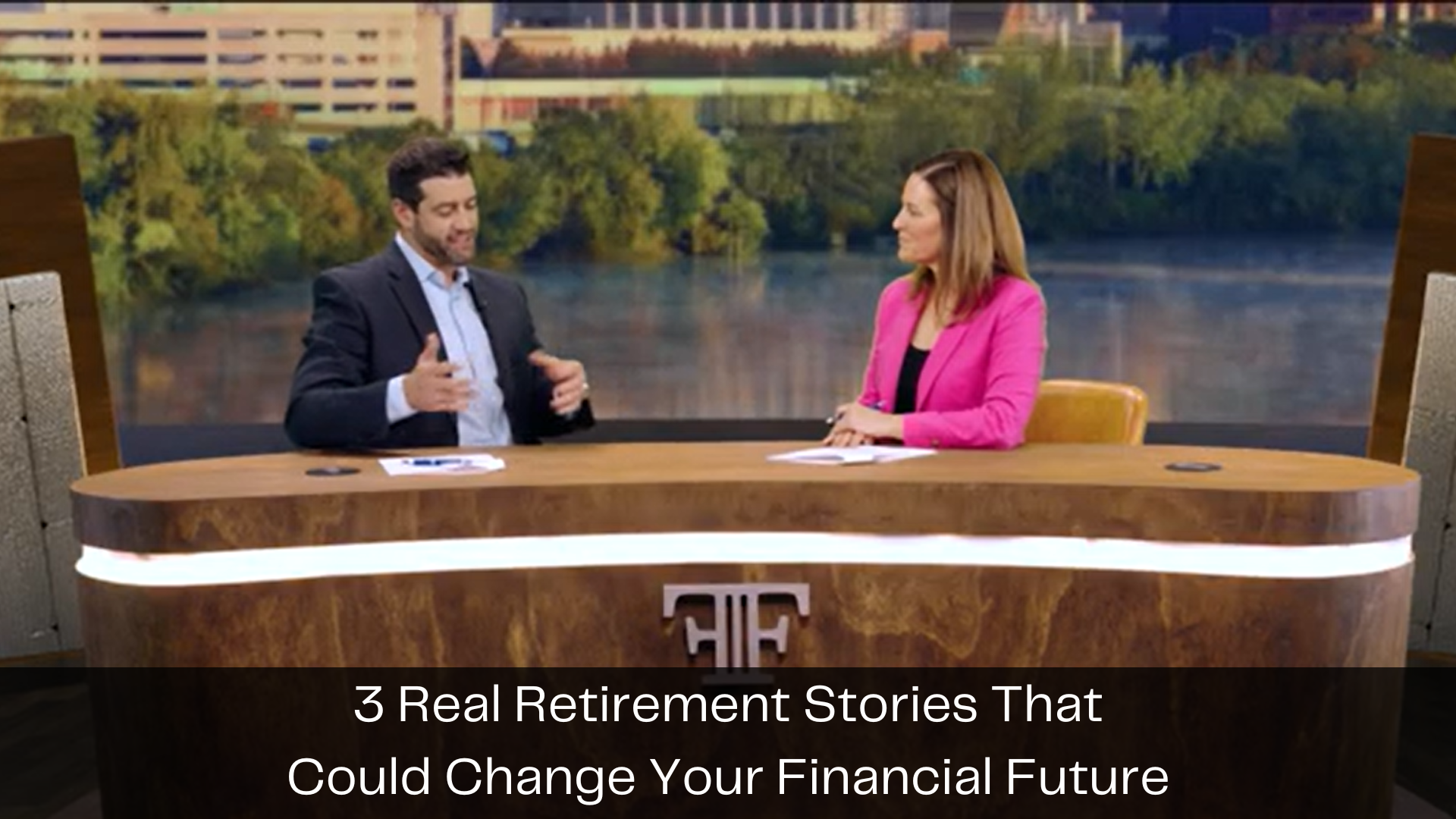
Ben Fuchs: Hello and welcome to How to Retire. I’m Ben Fuchs, principal of Fuchs Financial in Middletown, Connecticut. Today I’m joined by my colleague Gina Mazzadra, who works alongside me every day with clients navigating these questions. Gina, hi. Gina Mazzadra: Glad to have you here. Kind of. Ben: Yeah. So glad. Really, this show should just be about me and I don’t know why you’re here. Gina: I thought it was. Ben: Ridiculous. All right. So, first of all, you’ve worked at the company for over five years. Gina: Yep. Ben: Which is horrifying. You are 29 now. Is that what that is? Gina: Yes, I am. Ben: 29 again for the seventh consecutive year. Congratulations. Gina: Thank you. Ben: In terms of questions, I think the way that we prepared was to go through some of the most common questions that you get for retirement. Fair? Gina: Yeah. Ben: Okay. So, I guess we’ll just start off. Can you retire if you still have a mortgage? Gina: You can. Yes. What we like to do is build into the plan what happens when the mortgage drops off, which usually ends up being a better scenario. We’ll include that there’s no inflation in the principal and interest. We don’t need to know every expense that somebody has, but if we’re looking at the mortgage or other sorts of debt, sometimes we show that in the future it is going to drop off. Ben: But I was told that I need to get rid of all of my debt before retirement, and here I am having debt. How do I reconcile that? Gina: When you have a mortgage and you get towards the tail end of it, you’re usually paying more towards the principal than interest. So it’s okay to have it. Most of our retirees also were at a very low interest rate. They didn’t get them this year or last year. They probably refinanced in around 2020 somewhere around there, so they’re usually in pretty good shape with that. Ben: Okay. So when would be a scenario that we’d have somebody take Social Security earlier rather than later? Gina: If you’re taking it sooner rather than later, if you want to leave money behind to somebody, or if you think that you don’t have longevity, because once you pass, your benefit is gone. Somebody who might take it later is, for example, if you’re an ultra-conservative investor and you’re going to take that cash and put it in your bank account and have almost no return on it rather than letting the benefit grow and getting a higher benefit later in life. If you have a spouse, delaying one of them might make sense in some cases because the surviving spouse will get the higher of the two. That’s another reason why one of the spouses may end up delaying it. Ben: Okay, sounds good. So I guess the big question that we have is: how do you turn your savings, the thing you’ve worked forever for, into a regular monthly paycheck? Gina: The first steps we take are evaluating what we currently have and where we’re going to generate income from. Do we have an IRA versus a Roth IRA versus non-qualified accounts? If we have IRA money, that’s generally the first place that we want to focus on for income and generating the paycheck from there. We like to work backwards and figure out what’s the current income versus what are the expenses so that we can figure out what the gap is and what the cash flow looks like. We’ll put a certain amount into the income portfolio, and then anything beyond what we have in the income portfolio, maybe we’re safe with or maybe we’re more growth-oriented with. That’s part of the conversation we have to figure out what risk level you’re comfortable with. Ben: I think it’s interesting that you put these three questions together. We talked about having a mortgage, when to take Social Security, and how to create a paycheck because they all work together. If I’m paying off my mortgage, I need a certain amount of money from my assets versus Social Security now or later. When I look at this, the most important thing for us is how much we’re putting toward each bucket. How much are we putting toward the income bucket? How much are we putting toward long-term growth and toward safety? How important is it for you to get these questions right from somebody that’s going to become a client? Gina: It’s important enough that we ask it multiple times in different ways to make sure we’re getting the right answers. Ben: Have you ever had somebody not tell you the truth almost? Gina: Yeah. I had someone come in, and I think I’ve met with these people maybe four times so far. A couple years ago they ended up coming in. When they came in a couple years ago, they weren’t ready to make any changes yet. They came back in, and the second time we found out they had all this debt that we needed to figure out what we were going to do with. It’s okay that it’s there. It happens to a lot of people. But it’s about knowing the full information and knowing the full picture. We’ll bring up on the screen: this is what we have saved, this is what we have as income, this is what we have for expenses. Is anything missing at all? We’ll ask it several different ways. Then when we do manage the accounts for people, we like to have them come in again to do a recap. This is how we’re investing it and this is why. Do you see or have any different opinions on it? Anything you want to input here before I go ahead and implement this plan? Ben: It sounds like a doctor having to make sure that these are the right symptoms before I’m giving you the medicine that you’re asking for. Gina: Yes. Ben: Okay, great. We’ll take a quick break and when we come back, Gina and I are going to get into some of the harder questions, the ones that clients sometimes hesitate to ask. Segment 2 Ben: Welcome back to How to Retire. Still with Gina Mazzadra. Gina, I want to get into some of what I think are the most debated questions that we have. For clients, one of those is: should I work just one more year? Gina: I’ve had a lot of people actually come and ask me that question, and for most people, one year isn’t going to make or break them. It’s just figuring out, when you do retire, whether it’s this year or next year, where is the income going to come from? It’s about being prepared for it. I do have a couple of clients who have gone back and forth on that. One of them actually did retire, but then she ended up going back because she really missed her coworkers. She missed having her purpose. She was a teacher, so she missed working with some of the students that she had. She ended up going back because she enjoyed it. It didn’t mean that she had to. Ben: Did she stay there? Gina: No. She ended up leaving. She was back and forth, and then she went part-time, and now she retired fully. She’s really excited and happy about it and she’s doing really well. Ben: In some ways, that’s actually kind of cool because maybe they feel better about it. They retire, go back, and then realize, “Nope, I really don’t want this anymore. Let me figure something else out.” Gina: I think people have a hard time wrapping their heads around the concept that you’re no longer saving. Now you’re in the drawdown mode. Where am I going to draw from? A lot of people are just not comfortable with it. That’s the biggest challenge. There are definitely scenarios where it makes sense to work maybe not one more year, but maybe a few more years, or make a lifestyle change. It’s not just one straight answer to figure out how we need to get to where we’re going. Those are pretty blunt conversations that sometimes I do have with people. Ben: Seems like they’re important to go through. Gina: Yeah. Ben: How often do you find people that don’t just want to work one more year, but want to work through retirement? Gina: A good amount. Obviously it’s different for every person. We had a couple come in a few weeks ago. They have a few million saved for retirement. They’ve done really well. They own their own business, and I think that handing that business down to their kids is probably terrifying for them. Situations like that make it really hard for somebody to go ahead and retire altogether. They might end up staying on in some capacity. The kids may not want the business. We have other clients where it’s just hard to get past the concept that you’re no longer saving. When you’re in retirement, you’re not saving anymore. You’re supposed to be spending some of that savings. That alone is really scary for a lot of people. I understand that because I think I would have the same feeling. Ben: Sure. Gina: I would have a really hard time turning that around and saying, “Oh, now I’m going to start to spend this.” Ben: As someone that knows you, I can appreciate how you are. Didn’t you tell me you used to save really young? Gina: Yeah, because my dad talked about money very openly at home and taught me the importance of saving. He wanted me to go to community college for two years, transfer to Central, live at home, come out with absolutely zero student loans, and if I did that, he would buy me a decent used car. I decided I would still stay in state, but I wanted to have a college experience. I wanted to live outside of my parents’ house. That was very important. But that taught me a lot, and that’s why I enjoy doing this. Ben: Do you think that’s the reason that you became a financial advisor? Gina: Oh yeah, for sure. Ben: Wow. Okay, cool. That’s nice of you to give credit to your dad. Maybe you should talk about your mom sometime. Gina: Yeah, my mom keeps us all in check. Ben: Which is also important. What are the biggest tax mistakes that new retirees make? Gina: One couple that came in recently was drawing down on their Roth account first. Ben: Why does that bother you? Gina: We say, “No, no, stop. Please stop that. We’re going to change what we’re doing.” We’re going to draw on the pre-tax first because we have to draw on it at some point anyway. The Roth ideally is the last place in retirement that we want to pull from because it’s going to continue to grow tax-free. If it is a goal to leave money behind to your kids, that’s a valuable type of account to inherit. It’s tempting because you have this tax-free resource to access right now, but we’re going to have to pull from another source sooner or later anyway, so let’s start with that one. Ben: So when do you have people draw from the Roth? Gina: You don’t have to ever in your own lifetime. There is no RMD with it. For pre-tax money, there is an age when you have to start drawing on it. The amount is based on the value that you have in those pre-tax dollars. Ben: Okay, cool. So how much should you keep safe and how much should you stay invested? I’m retiring. I just want all of my money to be safe. I shouldn’t take any risk, right? Gina: Some people want that. It depends. It always depends. You don’t want to miss out on inflation. Ideally, you do want a piece safe for when the market comes down, but you still want to have some participation where you have some of that growth. Then you want another piece that’s income-based, where you get a consistent paycheck every month. Having a good balance between those three is important. Some risk is okay, but you don’t want everything growth-oriented and you don’t want everything safe. Ben: How do you make somebody feel comfortable putting more money into growth when they weren’t really planning to do it? Gina: I show them. I pull up my computer and I’m able to show them: if we do this much in income, this much in safe, and this much in growth, this is what we would have in a down-market situation or what we can consistently expect going forward. Then, when the market comes down, what are we going to draw from in that case? How much are we comfortable having limited access to? We want to cover all those aspects and make sure that what we’re doing is something they’re truly comfortable with. Ben: What do you think it is that allows you to make people feel comfortable? Gina: I get to know people really well in meetings. We get into some very in-depth conversations. I’m asking a lot of very personal questions, so it forces people to open up to me. It might not be questions that are commonly asked. What does your family history look like? What does longevity look like in your family? Tell me about your kids, about your family. What are your goals? Are you doing all the things you want to do? Then that brings up a lot of personal stories and emotions that get laid out there. Ben: That’s so important. You are trusting somebody with the money that you saved for your entire life. You’re going from this transition of earning more money to letting somebody else manage these things. I think it makes sense that somebody cares about who your kids are, your family, and everything else. Which brings me to a completely different question. When you retire, should you spend down your retirement savings or should you preserve that for your heirs? Gina: I think you need to focus on you first. You need to make sure that you’re taking care of yourself before you’re taking care of anybody else. An example that I heard recently was about the oxygen masks on an airplane, where you’re supposed to put it on yourself first because if you don’t and something happens to you, you’re not going to be able to help the next person. If you’re not helping yourself and taking care of yourself financially, who’s going to take care of you? Your kids. Now you’re putting the burden on them. Even though you might have the intention of saving for them, that’s great if you can, but you need to focus on making sure that you’re setting yourself up first. Ben: Fair. Thank you. Listen, one more segment after this and it’s a different kind of conversation. We’ll be right back. Segment 3 Ben: Welcome back. I spend most of the show talking about the financial side of retirement, and I believe deeply in that work. But there’s a side of retirement that no spreadsheet captures, and that’s what I want to talk about in this last segment. Joining me is Hailey, our client experience coordinator. Hailey, what do you actually do? Hailey: As the client experience coordinator here at Fuchs Financial, I focus on everything that happens after somebody becomes a client here. The experiences that we try to make for them and the community that we try to create to help instill a new purpose in their lives. Ben: So, how do we create that community? Hailey: We have been starting to roll out a bunch of different style events. People find their purpose in all different ways, whether that be volunteering, joining a book club and getting to discuss with like-minded individuals, or getting involved with something where they have a common interest. It starts breeding friendships, and it’s a beautiful thing to see a community come together. Ben: One of the things that we see and read about a lot is that loneliness is one of the biggest challenges people have in retirement. When you’re in school, you’re around a whole bunch of people. When you’re working, you’re around a whole bunch of people. Then all of a sudden you retire. Tell me why that plays a role in what you do. Hailey: We’re trying to foster relationships between not only our staff and clients to help create a better experience, but it also gives them a chance to meet friends or other members in their community or town that live close by. Ben: I know I was wrong in terms of the things I thought would be a draw to people. I thought bingo and book club would be a great draw, but the biggest draw by far was the margarita mixer. Hailey: We’ve done a couple different mingling events. Things like margaritas and mingling, a brunch bites event that we did earlier in the spring, and even a floral arrangement class where we had somebody come in and instruct everyone on how to build a bouquet that they were able to take home at the end. Just engaging activities that give our clients something to do and something to look forward to in their day-to-day life. Ben: What’s one coming up that you’re looking forward to, or something that we haven’t quite gotten to yet but should? Hailey: We’ve been talking about things like concerts and sporting events and UConn games. We’ve also been exploring the idea of doing some more West Hartford events. We’ve been bringing people to our Middletown location because we have that space to utilize here. Ben: So Hailey, how did you get started in this particular position? Hailey: I started in events working at Water’s Edge in weddings. I did about 300 weddings over two years. My first week starting here, I actually figured out that two of the parents I worked really closely with, who are retirement-aged, were our clients. I helped with their daughter’s wedding and their big day. At the venue, I worked heavily with retirement-aged individuals because it was mostly their parents I was dealing with, not the brides and grooms themselves. After that, I did a couple months at American Cruise Lines, which again has a demographic of older individuals. Some of them even cruise for the rest of their lives on those ships. That is their retirement plan. Ben: Do you have anyone in your family that has done marketing before or anybody that showed you the ropes? Hailey: I do. I can give a lot of credit to my father. I grew up in a household with him, and he was a marketing professional my entire childhood and into my adult career. He does huge live event marketing. We’re talking about events with potentially hundreds of thousands of people. He’s very good with people and knowing what they want and what they need and how to make sure they’re able to get it. Ben: Between the different careers that you’ve had before and here at Fuchs Financial, you’ve seen a lot of different retirees. What do happy retirees have in common? Hailey: They have a great financial plan, first of all. But secondly, they have that sense of purpose that we were talking about earlier. They have something that they can wake up for every day and still look forward to doing. We’re trying to create that for those who may be just starting their retirement journey and aren’t really sure where to go. It’s great to wake up in the morning for the first week, two weeks, or month that you’re retired and think, “I don’t have anything to do. This is awesome.” But then you get to the point where it’s, “I don’t have anything to do,” and it can be very isolating and lonely for some people. Ben: So, how do you help create that sense of purpose? Hailey: By providing volunteer opportunities or different club-type activities like our book club, margarita mingling events, or brunch mingling events. It’s about showing our clients who else in our community is available at the same times that they are. We do these events throughout the week on different days and at different times of the day because retirees have different schedules too. Ben: If we’re trying to give people a greater sense of purpose, what should we be doing differently? If we were to do more, what would that look like? Hailey: My goal would be to create friendships inside of these groups and communities, with the hope that our clients would find friends that they enjoy spending time with and start vacationing together or doing volunteer activities even outside of Fuchs Financial, just to give them a greater sense of purpose and community. Ben: Most of the people that work in this company are focused on people’s financial health, Social Security, taxes, and income. You focus more on the other side of retirement. Why is that important to you? Hailey: A financial plan is very important, but life without purpose can be really difficult for people. Ben: Have we been successful? Have we actually fostered any of those friendships and relationships? Hailey: Yeah. It’s actually been really great to see. It seems like the more events we do, the more those relationships begin to blossom. We’ve had several couples start to get together outside of our client events and talk about their travel plans and things they have coming up for the summer. Ben: I’ve had clients myself say, “Oh, you have this coming up. I’m so excited. Is so-and-so going to be there?” I think that’s great and it’s a testament to all the work that you’ve done to create and build this. If people want to get ahold of you, how would they do that? Hailey: They can reach out to me directly through email if they have questions about any of the events coming up or if they have ideas or recommendations. We’re always open. These events are for our clients, so if there are any niche interests, hobbies, or clubs that they would like to start, we are all ears. Ben: What’s the most important thing you want to make sure you get across before we end the segment? Hailey: Just that we are super welcoming and always invite new friends to join, whether it be family or a friend of a client that we currently have. We always welcome them to bring additional people in to grow our community and make sure everybody is getting the most they can out of everything. Ben: All right, that’s it for this episode of How to Retire. If today’s conversation made you want to take a closer look at your retirement, the numbers, or the life behind them, reach out to Fuchs Financial. No pressure, just good information and people who genuinely care. I’m Ben Fuchs. Plan smart, retire happy. We’ll see you next time.