




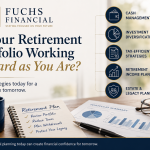








After years of saving and investing, retirement isn’t just about preserving wealth, it’s about making every dollar work efficiently. As life changes, so should your financial strategy.
Many retirees continue using the same investment approach they had while working, but retirement often calls for a fresh look at cash management, tax planning, investment expenses, and estate planning.
How Much Cash Is Too Much?
Having an emergency fund is essential, but many retirees unknowingly keep far more cash than they need in low-interest savings or money market accounts. While cash provides stability, it can also lose purchasing power over time if it isn’t earning a competitive return.
Instead of letting large balances sit idle, retirees should periodically review how much cash they actually need in retirement and whether those funds are still aligned with their financial goals. Understanding the relationship between inflation and your savings can help ensure your money continues working for you.
Diversification Doesn’t Always Mean Different Investments
Owning several mutual funds or ETFs doesn’t automatically mean your portfolio is truly diversified.
Many popular funds own the same large companies, creating overlapping investments that can increase costs without providing additional diversification. Conducting a regular portfolio review can help identify unnecessary overlap, simplify your investments, and reduce expenses over time.
Don’t Ignore Investment Expenses
Even small expense ratios and fund management fees can significantly impact your long-term returns.
Reviewing your portfolio’s investment fees on a regular basis helps ensure you’re receiving value for what you’re paying. While cost shouldn’t be the only factor when selecting investments, understanding your expenses is an important part of long-term financial planning.
Retirement Changes Your Tax Picture
As retirement begins, your income may come from several different sources, including pensions, Social Security, retirement accounts, brokerage accounts, rental properties, or business income. Once Required Minimum Distributions (RMDs) begin, your taxable income may increase even if your spending remains the same.
Developing a tax-efficient retirement withdrawal strategy can help retirees better manage their lifetime tax liability while preserving more of their savings.
When Does a Roth Conversion Make Sense?
For some retirees, a Roth conversion can be an effective way to reduce future Required Minimum Distributions and create additional tax-free income later in retirement.
The decision depends on several factors, including your current tax bracket, projected future income, and long-term estate planning goals. Evaluating these factors together can help determine whether a Roth conversion fits into your overall retirement strategy.
Estate Planning Includes Your Investments
A complete estate plan involves more than preparing legal documents. It also includes reviewing cost basis, inherited investments, charitable giving opportunities, and strategies for transferring wealth efficiently to future generations.
As families grow and financial priorities evolve, regularly reviewing these areas can help ensure your investment portfolio continues supporting both your retirement lifestyle and your legacy goals.
Retirement Planning Should Evolve With You
The financial decisions that made sense ten years ago may not be the best decisions today.
As markets change, tax laws evolve, and your retirement goals shift, it’s important to revisit your financial plan regularly. Reviewing your retirement income strategy, investment allocation, and long-term financial plan can uncover opportunities to reduce unnecessary costs, improve tax efficiency, and help your portfolio continue working toward your goals.
Retirement planning isn’t about making constant changes, it’s about making informed decisions when they matter most.