








Tariffs are back in the headlines, inflation is still affecting everyday costs, and many investors are starting to wonder what all of this means for their retirement plans.
If you’re nearing retirement or already retired, it’s normal to feel uneasy when the market becomes more volatile and economic uncertainty seems to dominate the news cycle.
The good news is that periods like this don’t usually call for dramatic financial changes. In most cases, they simply serve as a reminder to make sure your plan is still aligned with your long-term goals.
Why Tariffs and Inflation Matter
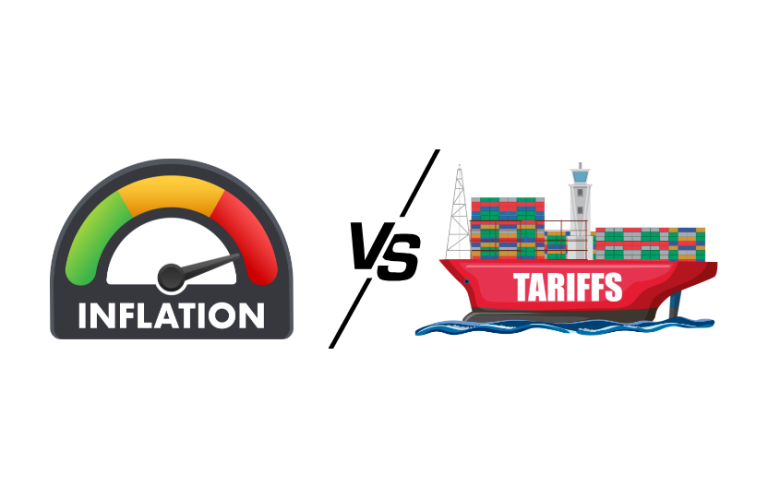
Tariffs can increase the cost of imported goods, which often leads to higher prices for consumers and businesses. Combined with inflation that has remained stubbornly elevated in many areas of the economy, people are feeling the impact in everyday life through groceries, travel, healthcare, insurance, and housing costs.
For retirees, inflation can be especially important because it gradually reduces purchasing power over time. Even moderate inflation can make a significant difference over a retirement that may last 20 or 30 years.
At the same time, uncertainty around the economy can create more market volatility, which naturally makes investors nervous about their savings and future income.
The Biggest Mistake Investors Make During Uncertain Markets
One of the most common reactions during uncertain economic periods is the urge to make sudden changes.
Some investors move entirely to cash. Others stop investing altogether or try to wait until things “feel safer” again.
Historically, emotional decisions during volatile markets have often done more damage to long-term portfolios than inflation or short-term downturns themselves.
Markets have gone through difficult periods before. Investors have faced recessions, inflation spikes, rising interest rates, political uncertainty, and global conflicts many times over the years. While every situation feels different in the moment, long-term investors who stayed disciplined have generally been rewarded over time.
What You Should Review Instead
Rather than overhauling your retirement plan, this may be a good time to revisit a few important areas.
Your Investment Mix
If recent market swings are causing significant stress, your portfolio may no longer match your comfort level with risk.
As people move closer to retirement, many gradually shift toward a more balanced investment approach focused on both growth and stability.
Your Retirement Income Strategy
Inflation makes income planning even more important. This is a good time to review how your retirement income will be generated and whether your strategy still makes sense in today’s environment.
That may include reviewing withdrawals, dividend income, Social Security timing, bond exposure, and overall cash flow planning.
Your Emergency Cash Reserves
Having accessible cash for short-term expenses can help reduce the pressure to sell investments during market declines.
For retirees already taking withdrawals from their portfolios, this becomes especially important during volatile periods.
Don’t Let Headlines Dictate Long-Term Decisions
Economic news changes every day. Retirement planning should be built around decades, not headlines.
A strong financial plan is designed with the understanding that markets will experience periods of uncertainty. Inflation, volatility, and economic slowdowns are not unusual events. They are part of long-term investing.
The goal is not to predict every shift in the economy. The goal is to build a plan that can withstand changing conditions over time.
Final Thoughts
The current economic environment may feel uncertain, but uncertainty alone does not mean your retirement strategy is broken.
For many investors, the best approach is not reacting emotionally to headlines, but instead reviewing their financial plan, staying diversified, and focusing on long-term goals.
If recent market volatility or inflation concerns have caused you to question your retirement strategy, it may be worth having a conversation with a financial professional.
At Fuchs Financial, we help individuals and families create retirement plans designed to adapt through changing market conditions while keeping long-term goals at the center of the strategy.
FAQs
Tariffs can increase the cost of imported goods, which may contribute to higher prices throughout the economy. For retirees and those nearing retirement, rising costs can reduce purchasing power and make retirement income planning more important.
Yes. Inflation gradually increases the cost of everyday expenses such as groceries, healthcare, travel, and housing. Over a long retirement, even moderate inflation can significantly affect how far your income and savings will stretch.
While recessions can create short-term market volatility, retirement plans are generally designed to account for economic cycles. Maintaining a long-term perspective and reviewing your financial strategy can help navigate uncertain periods.