










One of the most common financial questions people ask is whether they should focus on paying off debt or start investing for the future. For many individuals in their 30s and 40s, balancing student loans, credit cards, mortgages, retirement savings, and everyday expenses can feel overwhelming.
The truth is, there is no one-size-fits-all answer.
Some types of debt should be prioritized aggressively, while in other situations, investing early may provide greater long-term financial benefits. Understanding how to balance debt repayment and investing can help you build a stronger financial foundation while still preparing for long-term goals like retirement.
At Fuchs Financial, many individuals ask this question because they want to make smarter decisions with their money without feeling like they are falling behind financially.
Why This Question Matters So Much
Many people feel stuck between two important financial goals:
- Becoming debt-free
- Building long-term wealth
On one hand, carrying debt can create financial stress and limit flexibility. On the other hand, delaying investing for too long may reduce the long-term benefits of compound growth.
The challenge is finding a balance that supports both short-term financial stability and long-term financial security.
Not All Debt Is the Same
One of the biggest mistakes people make is treating all debt equally.
Different types of debt carry different interest rates and financial consequences.
High-Interest Debt
High-interest debt is often the biggest priority to pay down quickly.
This may include:
- Credit card debt
- Personal loans
- Payday loans
If your debt is charging 18–25% interest, it can become very difficult for investments to consistently outperform those borrowing costs over time.
In many situations, aggressively paying off high-interest debt can provide a guaranteed financial return by reducing expensive interest payments.
Low-Interest Debt
Some debt carries relatively lower interest rates, including:
- Mortgages
- Federal student loans
- Certain car loans
When interest rates are lower, investing while gradually paying down debt may make more financial sense over the long term.
The decision often depends on:
- your interest rate
- financial goals
- risk tolerance
- and overall financial situation
When Paying Off Debt First May Make Sense
There are situations where prioritizing debt repayment may be the better financial move.
You Have High-Interest Credit Card Debt
Credit card interest can quickly compound and make it harder to build savings or investments.
Paying down high-interest balances often provides immediate financial relief and reduces long-term borrowing costs.
You Don’t Have an Emergency Fund
Before heavily investing, many financial professionals recommend building an emergency fund first.
Unexpected expenses like:
- medical bills
- car repairs
- or job loss
can force people deeper into debt if they do not have accessible savings.
Building emergency savings can help create greater financial stability before increasing investment contributions.
Debt Is Causing Significant Financial Stress
Finances are not only mathematical – they are emotional too.
For some individuals, becoming debt-free provides peace of mind, reduces anxiety, and improves overall financial confidence.
Even if investing might produce higher long-term returns mathematically, reducing financial stress can still be an important factor when making decisions.
When Investing First May Make Sense
In other situations, investing early can provide major long-term advantages.
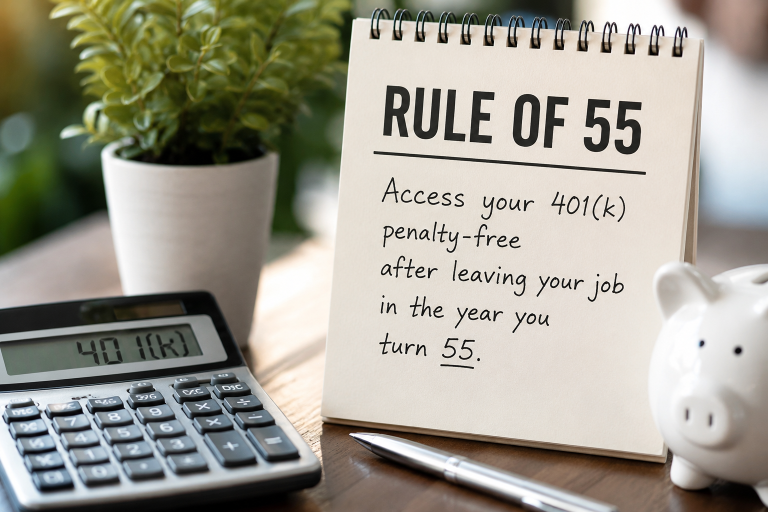
Your Employer Offers a 401(k) Match
One of the most important investing opportunities many people have is employer retirement matching.
If your employer matches retirement contributions, failing to contribute enough to receive the full match may mean leaving free money on the table.
For example:
- If your employer matches 5% of your salary
- contributing enough to receive the full match may provide an immediate return on your investment
This is often one of the strongest arguments for investing while still paying down certain types of debt.
You Have Low-Interest Debt
If your debt carries relatively low interest rates, investing consistently over time may potentially generate greater long-term growth.
This is especially important when retirement is still decades away and investments have more time to benefit from compound growth.
Understanding how compound interest works can help illustrate why starting early matters so much for long-term investing.
You’re Starting Retirement Planning Late
Many people delay investing because they want to become completely debt-free first.
However, waiting too long to begin investing may reduce the long-term benefits of market growth and compounding.
Even small, consistent retirement contributions can make a meaningful difference over time.
Can You Pay Off Debt and Invest at the Same Time?
For many people, the most realistic solution is balancing both goals together.
A common strategy may include:
- contributing enough to receive the full employer 401(k) match
- paying down high-interest debt aggressively
- building emergency savings
- and continuing consistent long-term investing
This approach allows individuals to reduce harmful debt while still taking advantage of long-term investment growth opportunities.
At Fuchs Financial, financial planning often focuses on helping individuals create strategies that balance short-term financial priorities with long-term retirement goals.
The Importance of Long-Term Financial Planning
Debt repayment and investing should not be viewed as completely separate financial goals.
Both play important roles in overall financial health and retirement preparedness.
Long-term planning often involves evaluating:
- retirement savings goals
- debt obligations
- investment strategies
- taxes
- risk tolerance
- and future income needs
As financial situations become more complex over time, many individuals benefit from having a structured financial strategy designed around their personal goals.
Common Mistakes to Avoid
When balancing debt repayment and investing, some common mistakes include:
- Ignoring high-interest debt
- Delaying retirement investing for too long
- Failing to build emergency savings
- Taking excessive investment risk
- Only focusing on short-term financial goals
- Making emotional financial decisions during market volatility
Creating a balanced financial strategy can help reduce these risks while improving long-term financial stability.